Caber Feidh
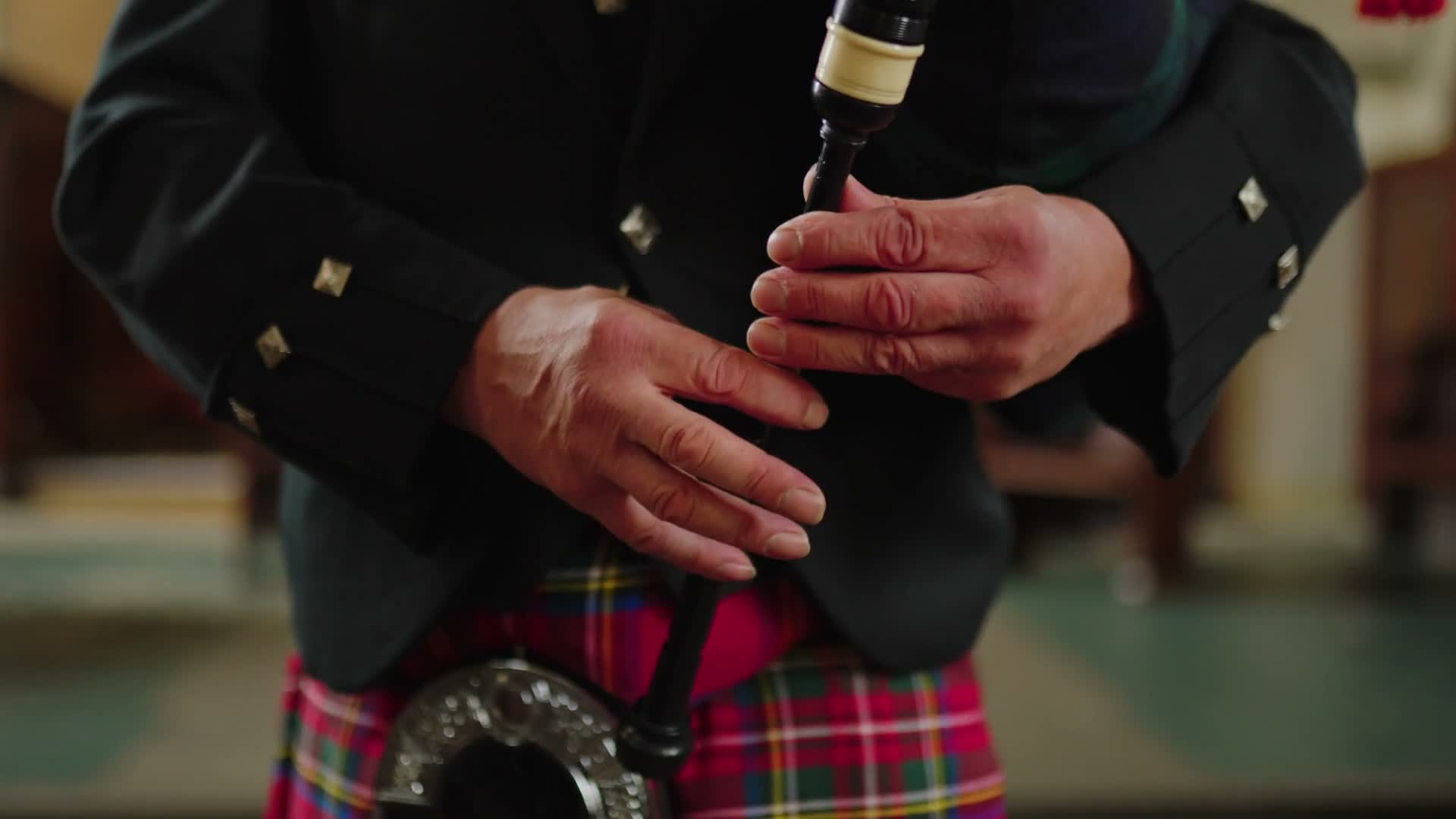
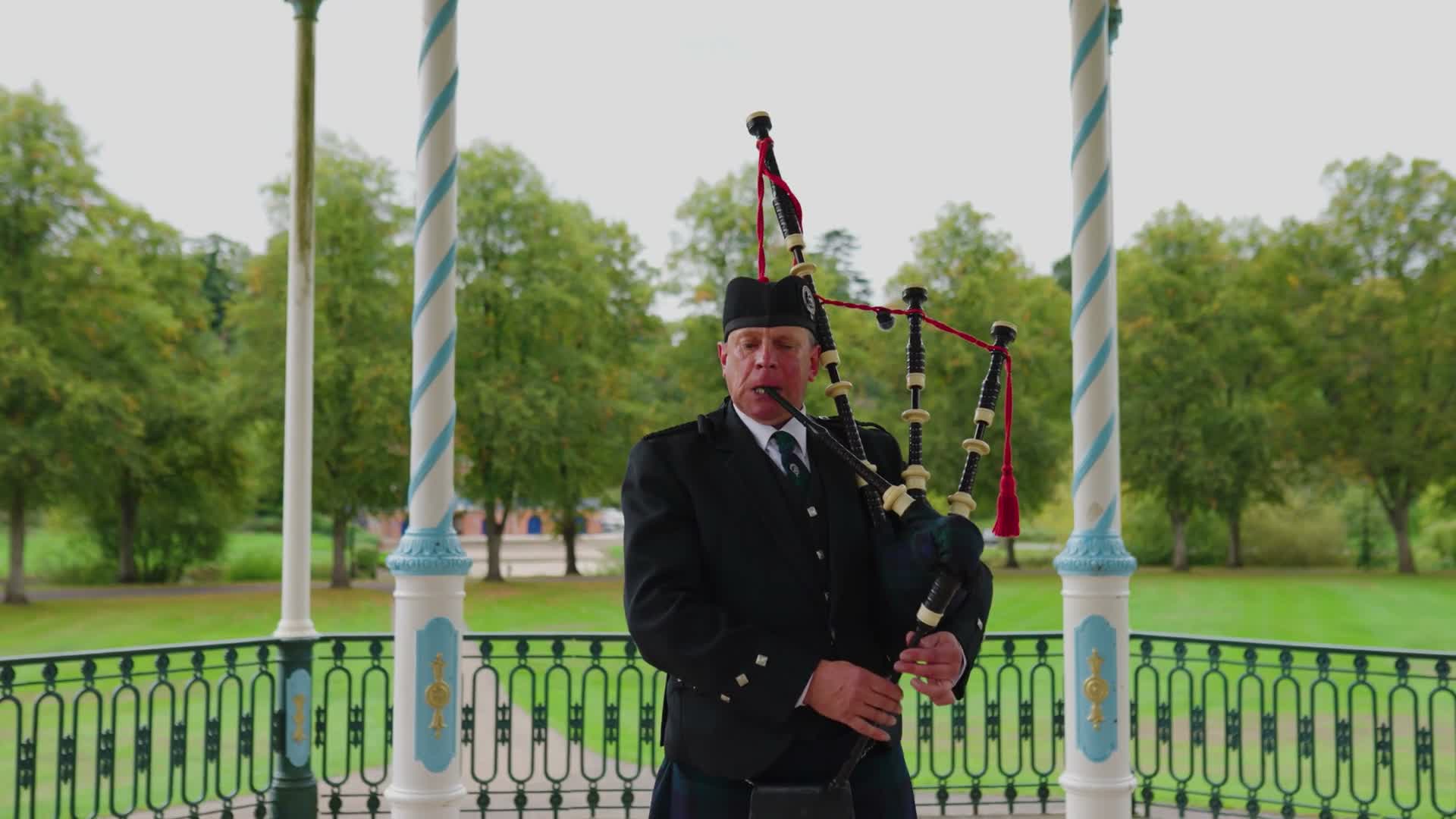
Caber Feidh (Scottish Gaelic for "Deer's Antlers") is a very old traditional Scottish tune of unknown specific authorship. It’s typically used as entrance music/piping guests in.
Origin and Early History
Name and Symbolism: The title translates to "Deer's Antlers," which is derived from the crest of a stag's head in the old coat of arms of Clan Mackenzie. The chiefs of Clan Mackenzie are traditionally titled Cabarféidh.
Early Manuscripts: The tune appears in early 18th-century collections. It was recorded as "Caper Fei" in David Young’s 1734 Drummond Castle manuscript and later appeared in the MacFarlan manuscript and Robert Bremner's 2nd Collection in 1768, as well as Charles McLean's 1772 collection.
Alternative Local Origin Stories: Some regional traditions (such as notes in Bain's Directory of Bag-Pipe Tunes) suggest it may have been composed by Norman MacLeod of Assynt, Sutherlandshire, following a conflict with William Munro of Achany, though it is widely regarded as a traditional tune of anonymous/unknown origin.
Cultural and Military Role
Clan March: From time immemorial, a march version of Cabar Feidh has served as the official clan march, rallying call, and insignia of Clan Mackenzie.
Military Charge: During the 18th and 19th centuries, it was famously used as the official march to signal the charge of Highland troops, particularly associated with the Seaforth Highlanders.
Dance and Form: The piece has been published and played across various traditional formats—including as a 4/4 march, strathspey, reel, jig, and hornpipe—and accompanies the traditional Highland dance called the "Cabar Feidh," where dancers use their arms and fingers to symbolically mimic the shape of deer antlers.